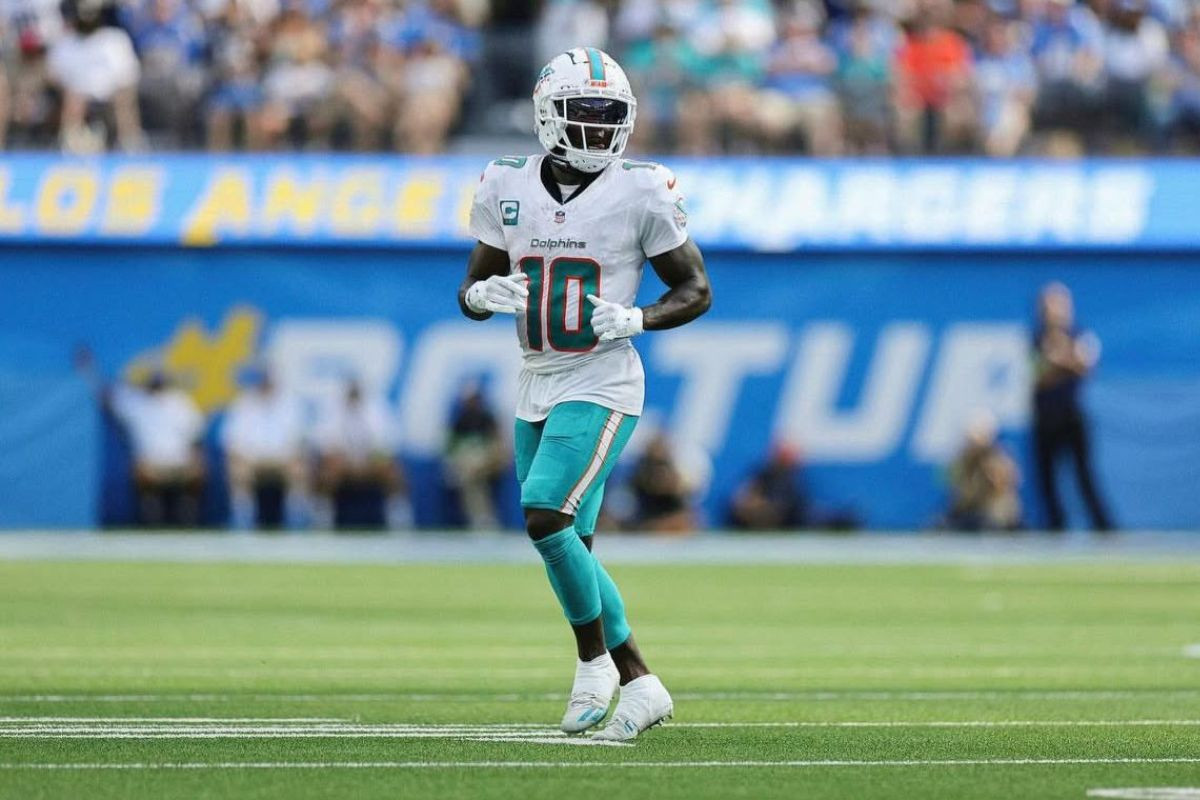
Within the ever-evolving landscape of professional sports, the trajectory of elite athletes continues to shift dramatically. Amidst this transformation, figures like Tyreek Hill stand at a pivotal crossroads. His departure signifies not merely the loss of a standout performer but a seismic change in team strategies and fan expectations. The ripple effects extend beyond individual careers, influencing coaching philosophies and organizational priorities. Such transitions demand meticulous planning, as organizations navigate the complexities of modern sports management. Here, Tyreek Hill’s influence persists, yet his role evolves into a catalyst for broader strategic adaptations. This shift underscores the interconnectedness of player legacy, team success, and long-term planning. Understanding these dynamics is crucial for stakeholders seeking sustainable success in the competitive arena.