
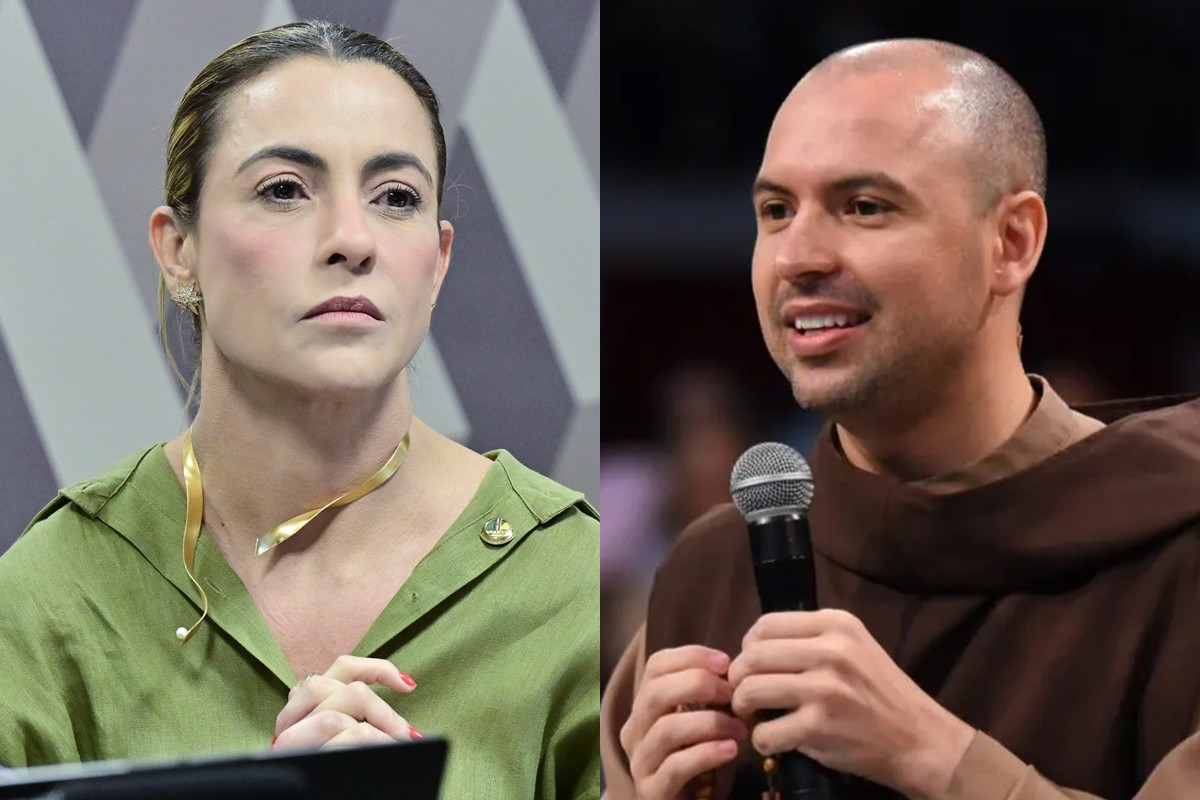
Senator Soraya Thronicke Confronts Religious Figure
Senator Soraya Thronicke, representative of the Brazilian Socialist Party (PSB), recently caused a significant controversy in the Brazilian political and religious spheres. In a direct publication on the social media platform X, the senator addressed friar Gilson and labeled him as a “false prophet” regarding his statements about the role of women in society.
This public criticism emerged after friar Gilson made controversial declarations about women’s place and function in religious and social contexts. The senator, known for her firm stance on gender equality and women’s rights, did not hesitate to respond to what she considered to be offensive and retrograde statements.
The Political and Religious Dimension
The confrontation between Soraya Thronicke and friar Gilson highlights an ongoing debate in Brazilian society about the intersection of religion, politics, and gender issues. Furthermore, this episode demonstrates how public figures, especially those in positions of religious authority, face increasing scrutiny regarding their statements on social matters.
The senator’s decision to use the term “false prophet” reflects her strong disapproval of the religious leader’s discourse. Therefore, this terminology carries significant weight in both religious and political contexts, signaling that the politician considers the friar’s statements not merely mistaken but fundamentally misleading.
Implications for Brazilian Politics
This incident occurs within a broader context of tensions between progressive political forces and conservative religious groups in Brazil. Consequently, Soraya Thronicke’s intervention represents more than a personal critique; it symbolizes a stance against what many progressive politicians view as dangerous rhetoric concerning women’s rights.
- The senator’s response was immediate and public
- The use of social media amplified the reach of the controversy
- The debate touches on fundamental questions about gender roles
In conclusion, this episode illustrates the complex relationship between religion and politics in contemporary Brazil. Soraya Thronicke’s direct confrontation with friar Gilson underscores the importance of political engagement on issues related to women’s rights and equality.