
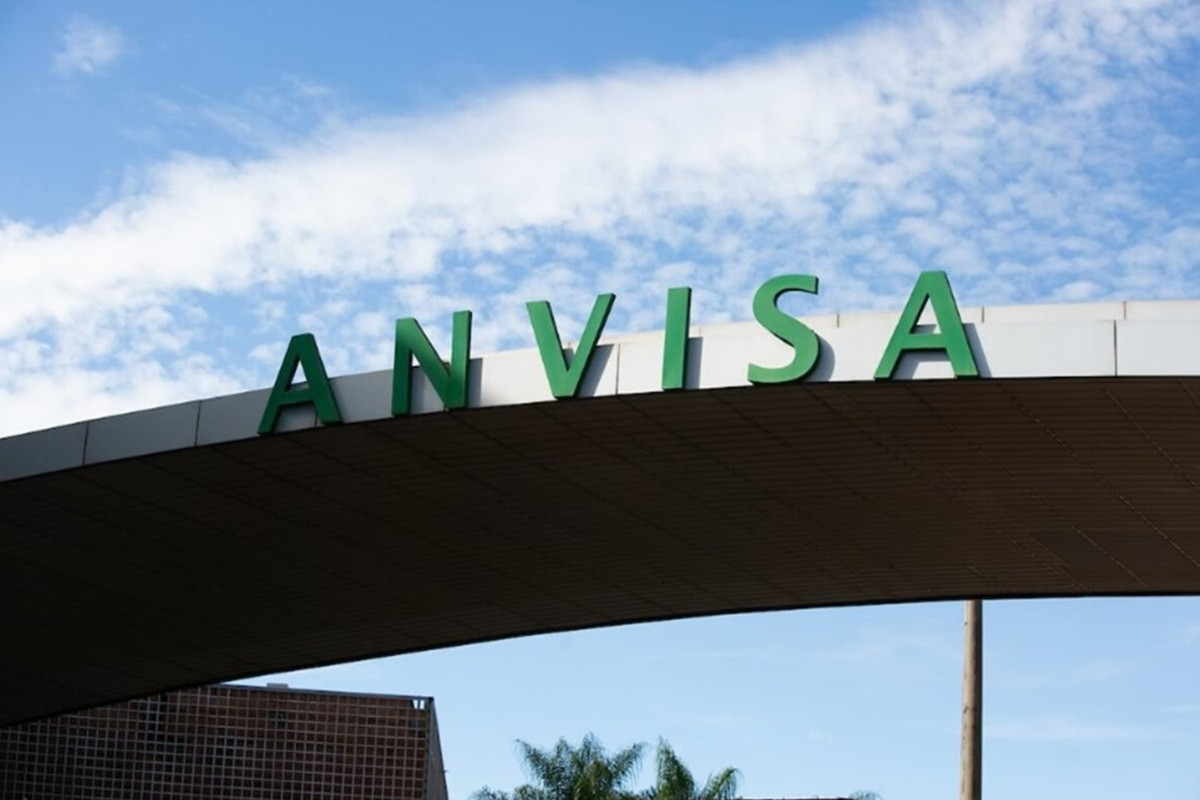
O Que Determina a Anvisa sobre a Ayahuasca?
A Agência Nacional de Vigilância Sanitária (Anvisa) estabelece regras claras regarding the production and use of Ayahuasca in Brazil. According to the agency, the manufacture and utilization of this substance are permitted exclusively for religious purposes. Therefore, anyone intending to produce or use Ayahuasca must comply with strict regulations established by the regulatory body.
Furthermore, the decision aims to control the proliferation of unauthorized products that may pose risks to public health. In this sense, the agency monitors religious institutions that legitimately use Ayahuasca in their rituals, ensuring they follow established protocols.
Ayahuasca: Origins and Characteristics
Ayahuasca is a beverage traditionally prepared from the combination of two plants native to the Amazon region: the vine Banisteriopsis caapi and the leaves of Psychotria viridis. Indigenous peoples have used this preparation for centuries in religious and therapeutic ceremonies. Moreover, the brew contains dimethyltryptamine (DMT), a psychoactive compound that induces altered states of consciousness.
However, the recreational use of Ayahuasca has raised concerns among health authorities. Consequently, the Brazilian health regulatory agency has implemented specific guidelines to prevent misuse.
Religious Use: What Is Allowed?
The production of Ayahuasca for religious purposes follows a specific legal framework. Religious institutions, such as Santo Daime and União do Vegetal, hold authorization to prepare and administer the beverage during their ceremonies. In addition, these organizations must maintain proper documentation and adhere to safety standards.
Nevertheless, the manufacture of Ayahuasca-based medications for commercial purposes remains prohibited. The agency emphasizes that any product marketed as a medicine containing Ayahuasca violates current legislation.
Implications of the Prohibition
The prohibition of Ayahuasca manufacturing outside religious contexts reflects the agency’s commitment to protecting public health. Many health professionals express concerns about the potential risks associated with unsupervised consumption. Therefore, the regulatory framework seeks to balance cultural and religious traditions with public safety.
In conclusion, understanding the regulations surrounding Ayahuasca is essential for both practitioners and the general public. The decision highlights the importance of respecting traditional uses while preventing potential abuses.