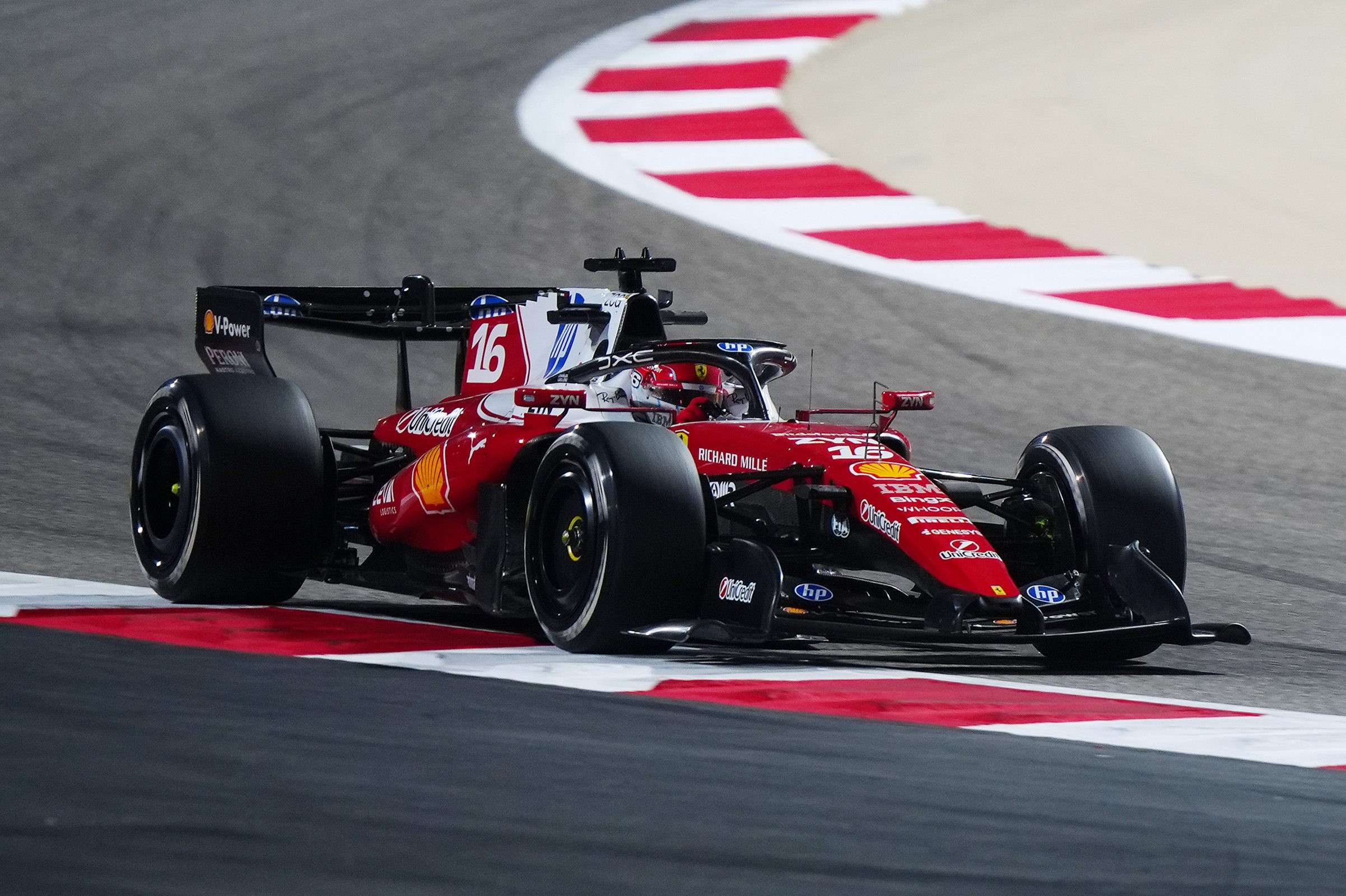
Within the high-stakes realm of Formula 1, where precision and poise define success, the pursuit of excellence remains paramount for drivers seeking to claim glory. As the season unfolds, teams intensify their efforts, aiming to secure the edge that separates the champions from the contenders. Within this competitive landscape, few aspects demand such meticulous attention as the ability to maintain composure under pressure, particularly when faced with the relentless scrutiny of spectators and analysts alike. Charles Leclerc, a name synonymous with consistency in recent seasons, stands poised to demonstrate once again his capacity to deliver under duress. His recent achievements, though impressive, have left room for further refinement, necessitating a focused approach on refining his strategic acumen and physical endurance. Such dedication underscores the rigorous standards that define elite performance in an industry where every second counts. The driving conditions themselves pose unique challenges, requiring not only technical mastery but also an unshakable mental resilience that allows him to execute flawless maneuvers despite the environmental factors. Additionally, the psychological toll of prolonged pressure can test even the most seasoned drivers, making mental preparation an equally critical component of their success. Moreover, the evolving dynamics within the team structure demand constant adaptation, as strategies shift and priorities change. This necessitates a deep understanding of both internal dynamics and external pressures that influence team strategies. Consequently, maintaining peak form and decision-making clarity becomes a relentless pursuit, requiring constant feedback and improvement. The collective effort surrounding Leclerc’s performance is evident in the collective focus placed on minimizing mistakes and maximizing opportunities on the track. Such unity ensures that individual contributions are amplified, creating a synergistic effect that elevates overall team objectives. Furthermore, the importance of consistency cannot be overstated, as even minor fluctuations can have cascading impacts on competitive outcomes. Leclerc’s ability to sustain peak performance over extended periods is thus a cornerstone of his current trajectory. Such attributes are not merely individual traits but collective responsibilities that demand collaborative effort. The cumulative effect of these factors positions Leclerc as a candidate for advancement, yet it also highlights the need for continuous evaluation and adjustment. Through rigorous practice sessions, data analysis, and strategic planning, his potential is continually sharpened, ensuring he approaches each challenge with the sharpness required to succeed. The journey ahead presents both opportunities and trials, demanding unwavering commitment to maintaining his standards. Thus, the path ahead remains one of precision, persistence, and adaptability, all essential elements that will ultimately shape his legacy in the annals of F1 history.