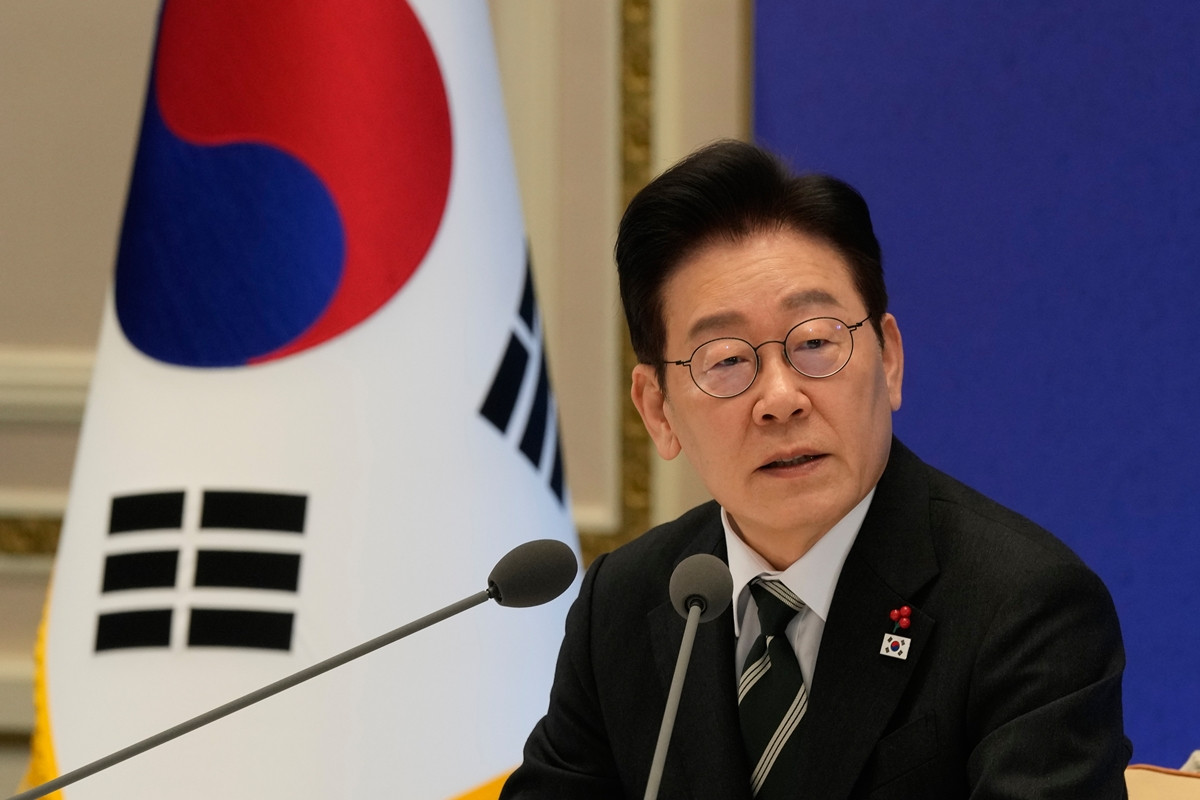
Within the intricate geopolitical landscape of East Asia, the quest for peace remains a central focus for nations deeply entwined with regional stability. The situation involving North Korea and South Korea escalates into a fragile equilibrium where diplomatic efforts often face significant obstacles. Mediators emerge as pivotal figures, tasked with bridging divides and fostering dialogue amidst conflicting interests. Their role is indispensable, yet fraught with challenges that test their resolve and precision. Within this context, Mediators serve as crucial conduits, attempting to navigate tensions while upholding the fragile hopes of reconciliation. Their involvement demands not only technical expertise but also unwavering commitment to maintaining balance amid competing priorities. This dynamic underscores the delicate interplay between local actors and global powers, where every decision carries profound implications. While the path to peace remains uncertain, the presence of Mediators offers a glimmer of hope, albeit one shadowed by skepticism and uncertainty. Their efforts, though constrained, remain vital to mitigating escalating risks, highlighting the necessity of sustained engagement. Furthermore, the success of such initiatives hinges on mutual trust, a prerequisite that often proves elusive given historical grievances and mistrust. Amidst these complexities, Mediators stand as both beacons and obstacles, their presence a testament to the unresolved tensions that define the region’s trajectory. Such scenarios necessitate strategic approaches that balance immediate needs with long-term solutions, ensuring that progress is neither rushed nor compromised. The landscape thus remains a delicate equilibrium, where each step forward demands careful calibration, reinforcing the enduring necessity of their role in shaping outcomes.