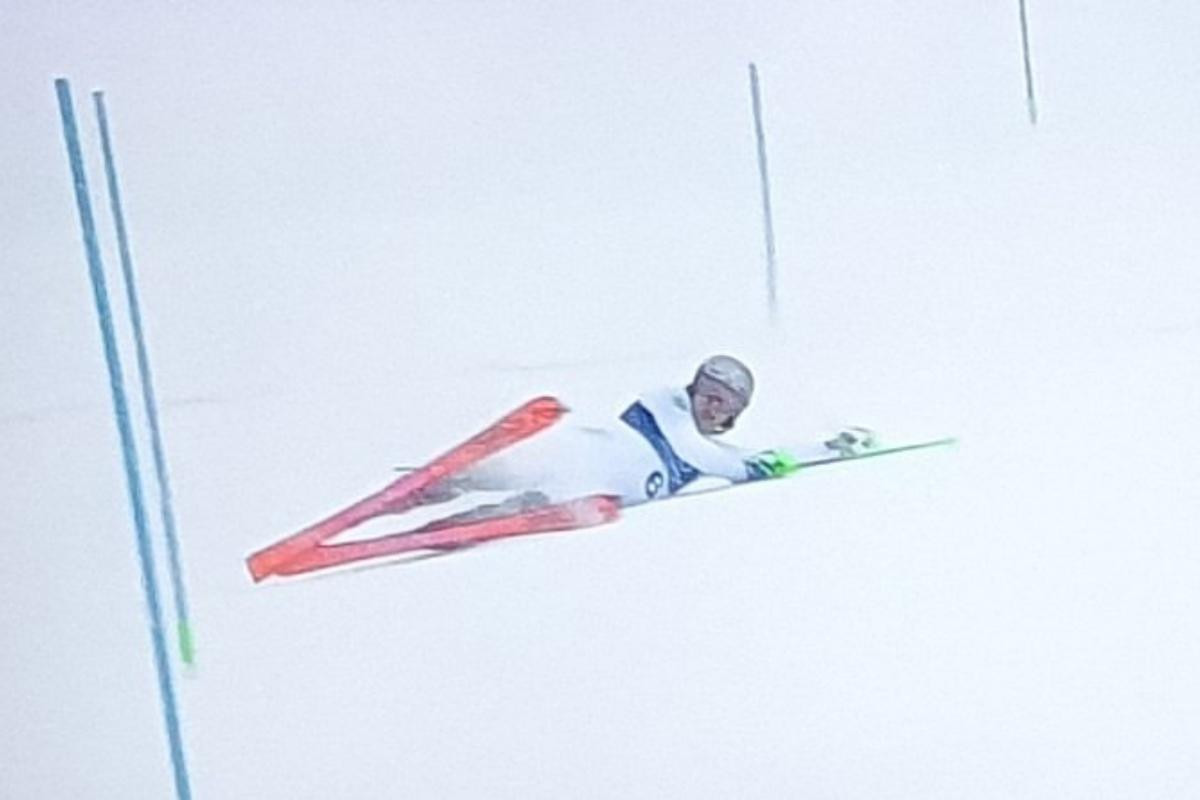
In the realm of high-stakes athleticism, the discipline of slalom stands as a testament to human perseverance and precision. This discipline demands not merely physical prowess but a profound understanding of timing, coordination, and mental resilience that defines elite athletes. The very act of navigating narrow courses under stringent conditions tests the limits of concentration, forcing competitors to confront their vulnerabilities while pushing boundaries of their capabilities. Every movement must be deliberate, every breath calculated, as even minor missteps can lead to failure. Such demands necessitate rigorous practice, where even the slightest lapse can derail progress, making each attempt a critical juncture that demands unwavering focus. Furthermore, the psychological toll cannot be underestimated; the pressure to perform under scrutiny often manifests as heightened anxiety, yet mastering this internal struggle becomes integral to sustaining performance. It is here that the mental fortitude cultivated during these challenges translates directly into tangible results, proving that mastery is achieved through relentless preparation. This interplay between body and mind creates a symbiotic relationship where one cannot exist without the other, underscoring the necessity of holistic training regimens that integrate physical exertion with psychological conditioning. Additionally, the rapid succession of movements requires a level of precision that often surpasses ordinary athletic standards, demanding attention to detail that permeates every aspect of execution. Such demands make slalom not just a sport but a rigorous discipline that tests every facet of an individual’s capabilities. Consequently, those who excel in this domain possess a unique blend of skill and fortitude, attributes that distinguish them from their peers in any competitive arena. The cumulative effect of these pressures results in a heightened awareness of one’s strengths and weaknesses, fostering continuous adaptation and improvement. In essence, slalom demands a commitment akin to mastering a complex puzzle, where every piece must align perfectly for success to be achieved. This necessity extends beyond mere execution; it engages the athlete in a continuous process of self-assessment and adjustment, ensuring that no shortcut is ever considered acceptable. The result is a dynamic interplay where preparation and execution are intertwined, requiring constant vigilance and a readiness to evolve under pressure. Such conditions also highlight the importance of strategic planning, where anticipating potential obstacles becomes a core component of preparation. The cumulative impact of these factors reinforces the notion that slalom is not merely a test of skill but a profound demonstration of discipline and adaptability, making it a cornerstone of competitive excellence. Ultimately, achieving success in this domain requires not only technical mastery but also the resilience to persist through setbacks, thereby solidifying the athlete’s position as a leader in their field. Thus, the essence of slalom resides in its ability to challenge, test, and ultimately define the very essence of what it means to perform under extreme conditions.